
Introduction
In cybersecurity, the question is rarely if an incident will occur, but when it will happen and how prepared the business will be to face it.
Even so, many companies still view cybersecurity consulting as an optional expense, something to be evaluated only after a problem occurs or when a vendor recommends it.
The reality is different: cybersecurity consulting is not paid for to "avoid abstract problems"; it is paid for to make better decisions, reduce uncertainty, and protect business continuity.
The Common Mistake: Confusing Consulting with Tools
One of the main mistakes management makes is evaluating consulting as if it were just another software license. They often weigh it against:
- Antivirus software.
- Firewalls.
- Backups.
- Monthly support services.
However, tools execute, but they do not decide.
Consulting defines what, how, when, and why. Without a clear consultative vision, companies often fall into these traps:
- Overbuying technology (unnecessary costs).
- Poor implementation (security gaps).
- Protecting secondary assets while neglecting critical ones.
The Real Cost of Not Investing in Consulting
When an incident occurs, the impact goes far beyond the technical aspect. Frequent costs include:
- Operational interruption: The business stops billing.
- Productivity loss: Employees are idle.
- Management distraction: Valuable hours spent "putting out fires."
- Reputational damage: The brand loses value.
- Loss of trust: Clients and partners doubt your reliability.
These costs don't always appear on a monthly invoice, but they directly affect the bottom line.
What Makes Cybersecurity Consulting Valuable?
Well-executed consulting isn't limited to pointing out problems. It brings clarity and strategic judgment.
It includes:
- Real diagnosis of the environment: Knowing exactly where you stand.
- Risk prioritization: Focusing on business impact, not trends.
- Actionable recommendations: Clear steps to follow.
- Implementation guidance: Not leaving the client alone.
- Translation: Converting technical jargon into management language.
The goal isn't to "tick a box," but to protect what generates value.
Consulting as a Growth Enabler
A company that understands its risks:
- Can grow with greater confidence.
- Migrates to the cloud with less friction.
- Integrates new systems with control.
- Responds better to incidents.
Cybersecurity stops being a brake and becomes a business enabler.
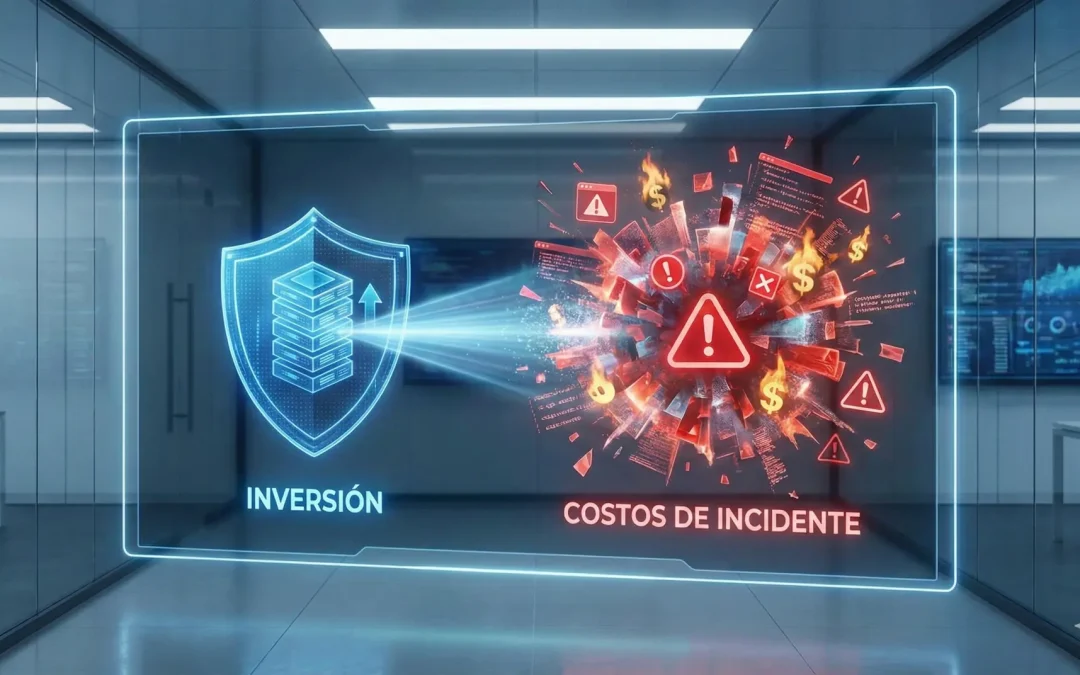
Investment Today vs. Costs Tomorrow
Investing in consulting allows you to:
- Detect problems before they escalate.
- Correct issues with lower impact.
- Plan technological investments wisely.
- Avoid reactive decisions.
Waiting for an incident to occur is usually more expensive, more stressful, and more disruptive.
When Does It Make Sense to Invest?
Key moments include:
- Accelerated growth phases.
- Cloud migration.
- Implementation of new systems.
- Changes in the team.
- New regulatory requirements.
- Start of a new fiscal year.
In all these scenarios, consulting reduces uncertainty.
How ROI is Measured
The ROI of consulting isn't always immediate, but it is real:
- Fewer incidents.
- Fewer interruptions.
- Better use of the tech budget.
- Operational peace of mind.
- Data-driven decisions.
That is profitability. Cybersecurity isn't about spending more. It's about investing better.
At MDS, we help companies understand their risks, prioritize actions, and make cybersecurity decisions aligned with business goals, not fear.
📩 Schedule a strategic conversation and let's evaluate if a consultation today can save you problems tomorrow.